What is the difference between cosmetic and pharmaceutical use of azelaic acid?

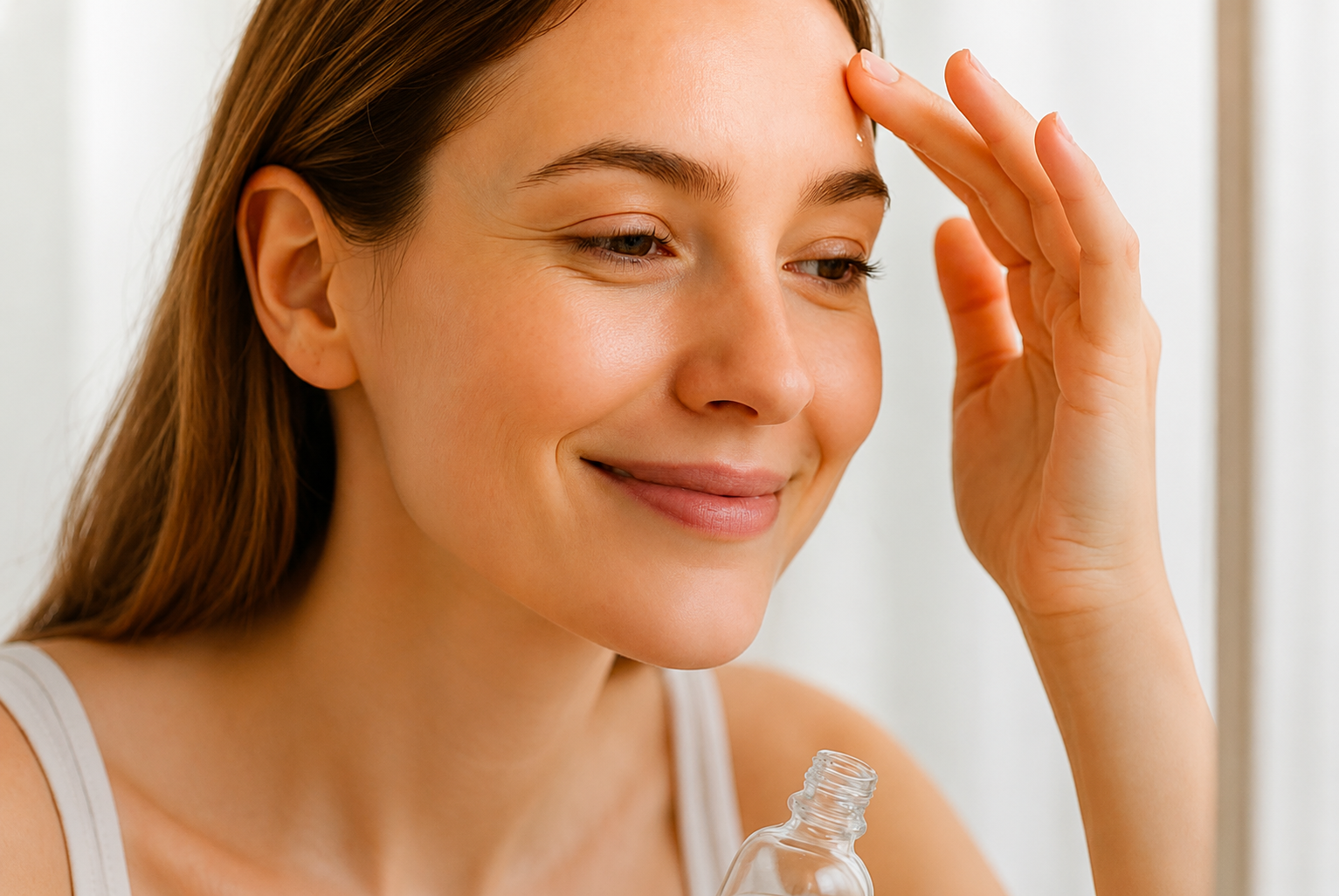
Azelaic acid is approved worldwide as an Active Pharmaceutical Ingredient (API) for the treatment of acne and rosacea. Pharmaceutical (drug) products typically contain 20% (acne) or 15% (rosacea) azelaic acid and require a doctor’s prescription. For cosmetic use, a concentration below roughly 15% by weight is generally used, and no prescription is required. Pharmaceutical-grade azelaic acid requires a purity above 99%, which Azepur99® meets.

Related articles

Insights

Why purity and particle size…

Why purity and particle size…

Azelaic acid is a proven multifunctional active, but formulation success depends heavily on grade quality. A closer look at why purity and particle size matter so much.

Blog

Formulating with azelaic acid: solubility,…

Formulating with azelaic acid: solubility,…

Practical guidance for working with azelaic acid in cosmetic formulations: how to handle its limited water solubility, which pH range works and what to know about stability.

Blog

Azelaic acid for scalp and…

Azelaic acid for scalp and…

Azelaic acid is best known for skin care, but its properties make it just as interesting for scalp and haircare formulations. An overview of this growing application area.

This site is registered on wpml.org as a development site. Switch to a production site key to remove this banner.