What is azelaic acid? Origin, production and properties
Azelaic acid is one of the most versatile active ingredients in modern cosmetic science. This article covers where it comes from, how it is produced today, and which properties make it so valuable for skin and haircare formulations.
A naturally occurring dicarboxylic acid
Azelaic acid is a naturally occurring dicarboxylic acid, found in grains such as wheat, rye and barley. It has been associated with skin benefits for a very long time: grain-based preparations were used to even out skin tone thousands of years ago. Today, azelaic acid is one of the best-documented multifunctional actives in cosmetic science, recognized for its antioxidant, keratolytic and antimicrobial activity, and for its ability to support a more even-looking skin tone.
How modern azelaic acid is produced
Historically, azelaic acid was produced industrially by oxidizing oleic acid with ozone. In recent years a greener, safer synthesis has been developed in Europe: the double bond in the oleic chain of sunflower oil triglycerides is transformed using hydrogen peroxide and compressed air, and the resulting compound is hydrolyzed, distilled and crystallized from water multiple times until a highly pure substance is achieved.
This process, aligned with green chemistry principles and the European Safe and Sustainable by Design (SSbD) framework, avoids ozone entirely and starts from renewable, European-grown high oleic sunflower oil. The result is a 100% biobased, GMO-free ingredient with an exceptionally low content of heavy metals, residual solvents and other contaminants.
Purity matters: the difference a grade makes
Not all azelaic acid is equal. Purity and particle size directly affect formulation stability, sensory feel and batch-to-batch consistency. Azepur99®, the cosmetic grade azelaic acid developed by Azeco Cosmeceuticals, offers a consistent purity of ≥99%, the highest available on the market, combined with a controlled, micronized particle size (max. 20 micron) for better dispersion and reduced grittiness in leave-on formulations.
Key properties at a glance
- Naturally occurring dicarboxylic acid, 100% biobased and derived from European sunflower oil
- Multifunctional: antioxidant, keratolytic, comedolytic and antimicrobial activity
- Supports skin clarity, a more even-looking skin tone and scalp balance
- COSMOS approved, vegan and halal suitable, non-GMO and not tested on animals
- Compliant with ISO 16128-1:2016 as a naturally derived ingredient
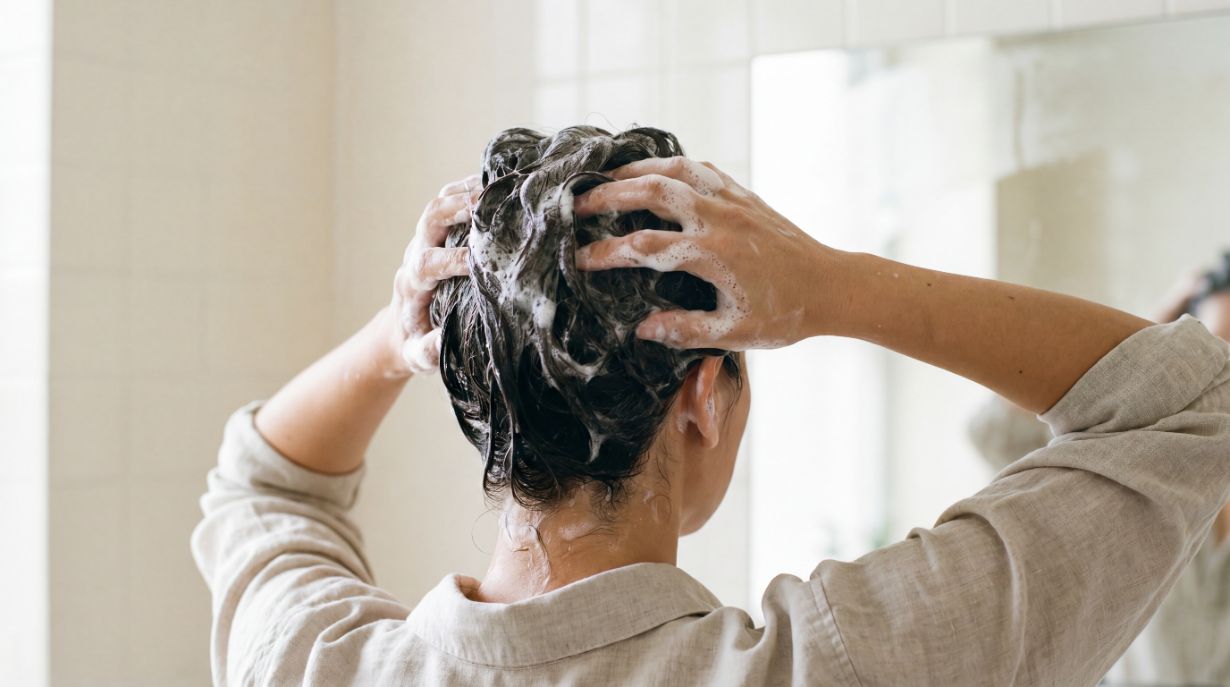
- Typical cosmetic use levels: 8–10% for daily skincare, 10–12% for skin prone to acne, up to 15% for uneven skin tone, 3–5% for scalp and haircare
From raw material to reliable ingredient
For formulators, the practical value of azelaic acid depends on the grade behind it. A specification-driven ingredient such as Azepur99® brings predictable performance, reliable global supply and complete technical and regulatory documentation, so development teams can focus on formulation and claims instead of raw material variability.
Read more about Azepur99® or request a free sample to evaluate it in your own formulation process.